Moving Companies in Black Forest, CO
Moving through Black Forest means planning for wooded acreage, long driveways, and a setting between rural and suburban. Local crews typically charge by the hour, and most companies require a two-hour minimum. A two-person team with one truck generally runs $110 to $140 per hour, while a larger home needing three to four movers often costs $160 to $220 or more per hour. For a one- to two-bedroom home, total local moves usually land between $400 and $1,200; a three- to four-bedroom home commonly falls between $1,500 and $4,000 or more. Long-distance pricing shifts away from hourly labor and is based on total shipment weight, volume, and mileage.
Several charges catch people off guard here. If a 26-foot truck cannot reach the door and the crew must carry items more than 75 feet, a long-carry surcharge may appear. Low branches, tight switchbacks, or unpaved surfaces can force a smaller shuttle vehicle, adding labor time and fees. Pianos, safes, pool tables, and heavy shop equipment often carry separate flat-rate specialty charges.
Before booking, check that a mover holds a Colorado Public Utilities Commission permit beginning with HHG, and get a written estimate and contract. Walk the driveway for low Ponderosa pine branches that could damage a truck, and notify any HOA or gated community about gate codes and vehicle limits. Muddy or steep gravel driveways plus sudden mountain weather can delay heavy vehicles, so confirm how weather delays are handled.
Use the Black Forest mover directory below to compare local options for your specific property and move size.
Free · no obligation
Quotes from movers in Black Forest, CO
Two answers below and we pass your move to licensed companies from this page. No account, no fee to you.
Filter & sort Rating, reviews, fleet, licence
Best Movers in Black Forest, CO
Ranked by popularity. Licensing, insurance and photos shown for each.









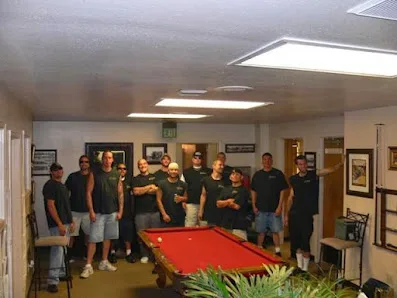







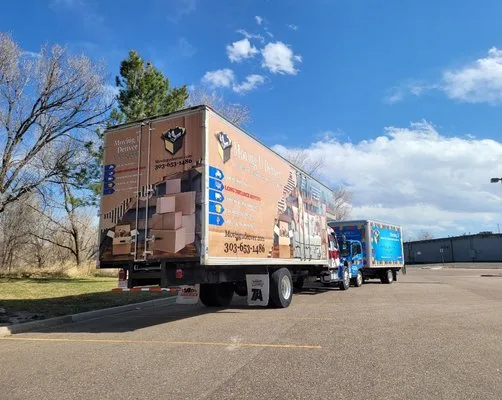
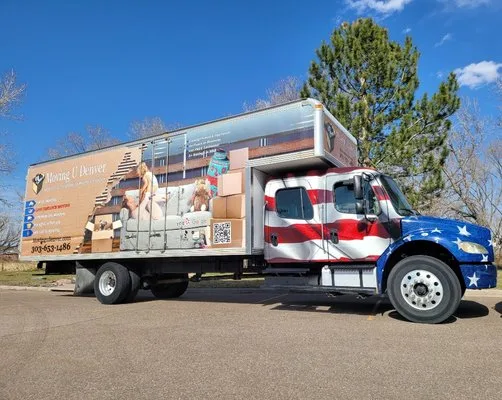

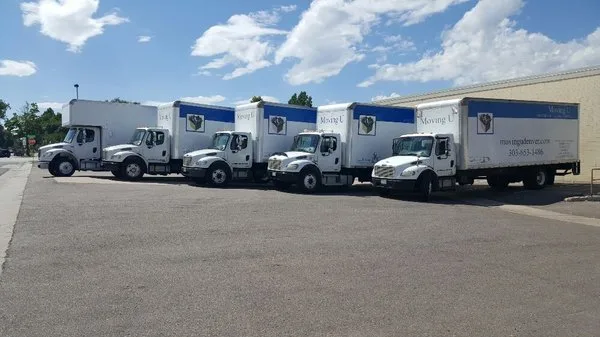

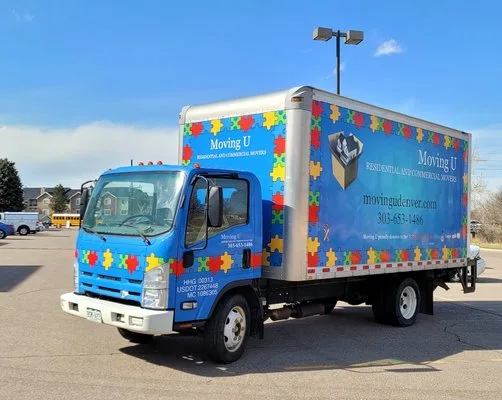



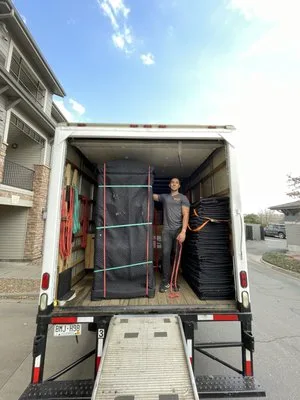



What customers say in Black Forest, CO
Who's moving to Black Forest, CO
Federal tax-filer migration data for El Paso County.
77% arrived from another state. Long-haul moves need a carrier with active interstate operating authority — plenty of local companies don't hold one.
See licensed movers62% of departures went farther than 50 miles. Beyond that range moves are priced by weight and distance, and a state line means the carrier needs interstate authority.
See the full picture — 5-year trend, state flows and top routes
Black Forest refills from a distance: nearby counties pull households out, and the rest of the country more than replaces them. Head count stayed flat all the same — arriving households are smaller (1.8 people on average) than the ones leaving (1.84), so the city gained homes without gaining residents.
Each bar shows that state's in/out split — rows are ranked by total volume.
Households arriving from another state report $66,889 in average annual income; those relocating from elsewhere in Colorado report $61,905. Long-distance arrivals are the higher-budget half of the market.
How this works: IRS SOI County-to-County Migration Data, 2022-2023. The IRS compares the address on consecutive tax returns, so every move here is a real filed household. The catch: it publishes annually with about a two-year lag, counts El Paso County rather than city limits exactly, misses people who don't file a return, and leaves 28% of moves unattributed to a specific county, because flows too small to publish are grouped into regional buckets instead. See the whole state on the Colorado migration page →
How much truck space do you need?
I’m moving a that’s .
Industry rules of thumb — about seven pounds per cubic foot, and published rental-truck capacities. Not our carrier records, not a quote. Bring both numbers to the call and what you get back will finally be comparable.