Moving Companies in Glenwood Springs, CO
What should I budget for a local move in Glenwood Springs?
Local moves in the Roaring Fork Valley are typically billed by the hour based on crew size, plus a travel or truck fee. Two-person helper crews are often listed at $150 – $180 per hour. Broader local estimates run about $89–$175+/hr depending on whether the job is labor-only or includes a truck.
What local conditions affect the final bill?
Mountain routes such as US-6 or Highway 82 can make short distances take longer on the clock, and some crews start billing at their base and keep the clock running through the return trip. Steep driveways or tight switchbacks may prevent a full-size truck from reaching the home, so ask about a smaller box truck shuttle or long-carry fees. Summer tourism, canyon traffic, and I-70 closures or rockfall delays can slow a schedule; mid-week or early morning moves often avoid the worst weekend congestion. Downtown and HOA communities may require parking permits, and blocked access can leave the crew waiting on an active clock.
What questions should I ask to avoid surprise charges?
Confirm the minimum hourly charge, since many companies require a 2-to-3-hour minimum. Ask how travel time is billed—flat fee or added round-trip hours—and whether stairs, pianos, safes, or long walkways cost extra. Check whether fuel surcharges are included and whether workers are licensed, insured, and background-checked staff or subcontractors.
Use the directory below to compare moving crews that serve Glenwood Springs and verify these details before you book.
Free · no obligation
Quotes from movers in Glenwood Springs, CO
Two answers below and we pass your move to licensed companies from this page. No account, no fee to you.
Filter & sort Rating, reviews, fleet, licence
Best Movers in Glenwood Springs, CO
Ranked by popularity. Licensing, insurance and photos shown for each.




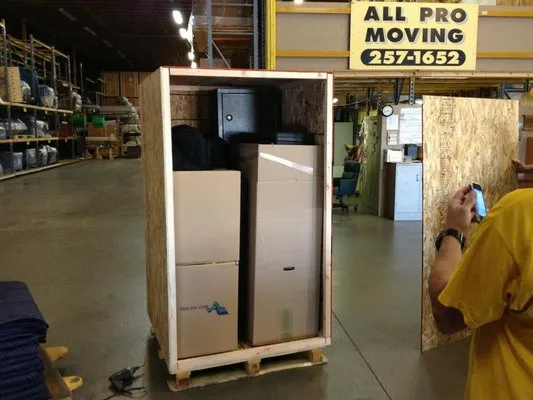

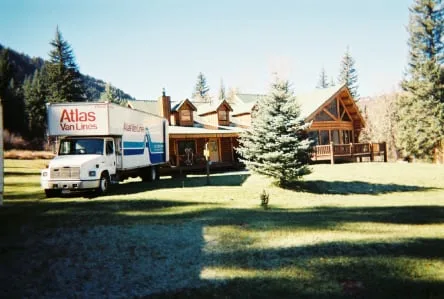





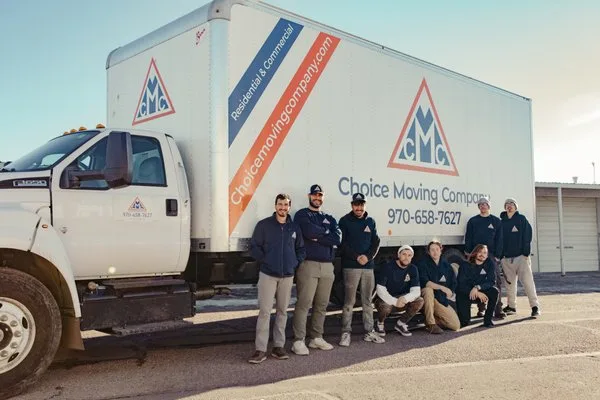









What customers say in Glenwood Springs, CO
Who's moving to Glenwood Springs, CO
Federal tax-filer migration data for Garfield County.
55% arrived from elsewhere in Colorado. Most arrivals are in-state moves, so a regional company will usually cover it — check interstate authority only if you're crossing a state line.
See licensed movers51% of departures left the state. Interstate moves are priced by weight and distance, and the carrier must hold active interstate operating authority.
See the full picture — 5-year trend, state flows and top routes
Each bar shows that state's in/out split — rows are ranked by total volume.
Households arriving from another state report $102,595 in average annual income; those relocating from elsewhere in Colorado report $95,259. Long-distance arrivals are the higher-budget half of the market.
How this works: IRS SOI County-to-County Migration Data, 2022-2023. The IRS compares the address on consecutive tax returns, so every move here is a real filed household. The catch: it publishes annually with about a two-year lag, counts Garfield County rather than city limits exactly, misses people who don't file a return, and leaves 53% of moves unattributed to a specific county, because flows too small to publish are grouped into regional buckets instead. See the whole state on the Colorado migration page →
How much truck space do you need?
I’m moving a that’s .
Industry rules of thumb — about seven pounds per cubic foot, and published rental-truck capacities. Not our carrier records, not a quote. Bring both numbers to the call and what you get back will finally be comparable.